
The New Rabbi of Jaffa
Shabbos & Yom TovTorah learningSimcha
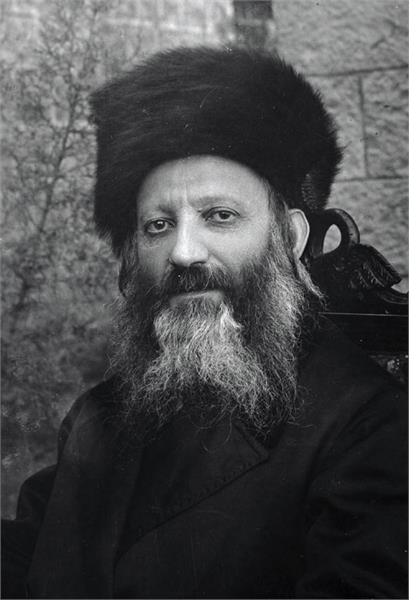 A story ofRav Avrohom Yitzchok Kookהרב אברהם יצחק בן שלמה זלמן קוק
It is told that Jaffa had gone two years without a Rav when Rav Yoel Moshe Solomon (1838–1912), who was among the pioneers of Yerushalayim and helped found Petach Tikva, became one of the first to propose Rav Kook, then Rav of Bausk. He took the idea to the Aderet, Rav Kook's father-in-law, who was serving as Chief Rabbi of Yerushalayim.
That same day the Aderet sent an urgent letter to his son-in-law with the advice that he accept. Rav Kook welcomed the proposal, yet first wished to hear the view of Rav Shmuel Salant, the elder statesman of Yerushalayim and its former Chief Rabbi. When the Aderet put the question to him, Rav Shmuel replied happily, "If only."
Later the Aderet observed, with a hint of irony, that his son-in-law ought really to have been Rav of holy Yerushalayim while he himself should have been Rav of tiny Jaffa. Fifteen years on, Rav Kook did become Chief Rabbi of Yerushalayim.
The people of Bausk begged their beloved Rav not to depart. Rav Kook, however, saw the Jaffa position as the realization of his long-held dream of living in Eretz Yisroel. In early summer 1904 he and his family traveled by way of Odessa. A joyful reception awaited them on the Jaffa shore, where Rav Yoel Moshe Solomon and the other public figures who had worked for the appointment rowed out in a little boat to greet the new Rav.
The weekly paper Ha-Hashkafah reported on that day. The new Rav came to town on Friday, 28 Iyar, and was received with great honor by people from all parts of the community. Emissaries from Yerushalayim arrived to greet him for Rav Shmuel Salant and the Aderet, and delegates came from Rishon LeTzion, Petach Tikva and other settlements.
Distinguished figures from the Sephardic community also came, and he conversed with them in flawless Hebrew. The paper remarked that an Ashkenazic Rav who speaks Hebrew so fluently is hard to find. On Shabbos morning he delivered a lucid derashah in plain Hebrew, which the Sephardim followed and enjoyed. Even Chabad chassidim said that they thought him the finest choice possible, and that his learning and wisdom put him on a level with the rabbonim of the world's great cities. They found comfort in the fact that, although his yeshivos were not Chassidic, he descended from Chabad chassidim through his mother and showed several Chassidic traits.