
The Name in the Haftorah
For a father whose children had not survived, the Rebbe's advice was to look at the haftorah of the week.
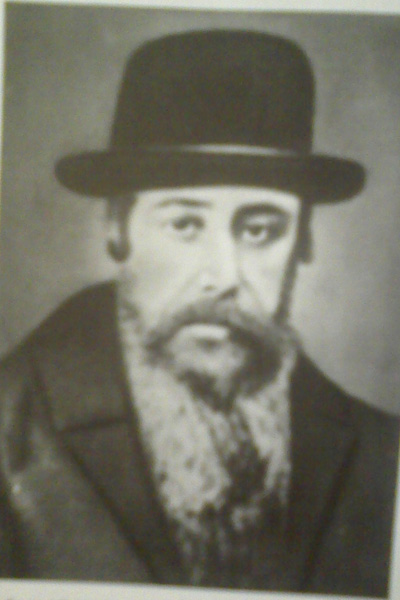 A story ofRav Dovid Moshe Freidman of Chortkovהרב דוד משה בן ישראל פרידמאןProfile ›
A man came to Rav Dovid Moshe with a sorrow that no one could ease. Child after child had been born to him and had died in infancy, and he begged the Rebbe to help him.
The Rebbe gave him an unusual instruction. When the next child was born, he should look at the haftorah read in the week of the birth, and give the child a name found there.
In due time a daughter was born, in the week of parshas Nasso. The haftorah of that week tells of the birth of Shimshon, and it speaks of his mother without ever naming her.
The Gemara in Bava Basra supplies what the verses leave out and records her name as Sallfonis. The Maharshal, in his notes there, writes that this name protects a person from the evil eye. The girl was given that name, and she lived to a ripe old age.
Those who tell the story point to the way the Rebbe found his answer in the reading of an ordinary week. A name, a verse and a Gemara were enough, in his hands, to stand between a family and its grief.
Source: Deiah veDibur, "Kodshei Kodshim: The Chortkover Rebbe, Reb Dovid Moshe Friedman zt"l", Part III (9 Marcheshvan 5783); the name Sallfonis is from Bava Basra with the Maharshal's note
When you are stuck on a problem that feels too heavy to solve, do not assume the answer is far away. Read the week's Torah portion or haftorah slowly, with your question in mind, and see what it says to you. You may find a name, a phrase or a direction that you had passed over before. Then take one practical step that fits what you found. Guidance often comes through what you were already meant to be reading.