
Seven Derashos for a Lost Son
A mother wept before the Maggid over her son, trapped by priests days before a conversion. The Maggid answered with a single verse, taught seven times.
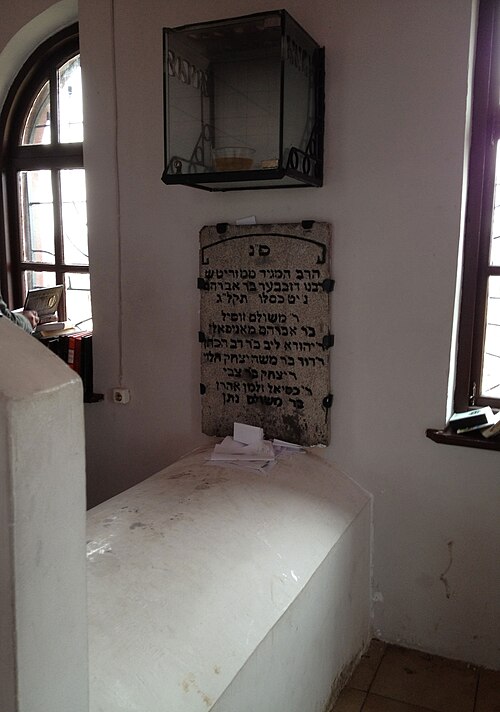 A story ofRebbe Dov Ber, the Maggid of Mezritchרבי דוב בער, המגיד ממזריטשProfile ›
Chassidim relate that on an Erev Shabbos a Jewish mother came to the Maggid in tears. Her son, a gifted student, had decided to leave his people and his faith, and the priests had locked him inside a church building so that no relative could reach him before the conversion planned for Sunday. The Maggid sent her home to rest and to expect her son back.
Then he gathered his talmidim and began to expound the verse that speaks of a soul that sins. His students could not see why. He taught it again and again before Shabbos, and again on Shabbos itself, seven times in all.
When the seventh derashah ended, a mighty wind rose. In its wake the young man appeared among them.
He told them what had happened. Suddenly, in his locked room, he had been seized by doubt about his choice. The doubt became remorse, and the remorse became despair. He tried the door, the lock and the walls, and found no way out. Weeping, he squeezed through the window bars and jumped, and a powerful gust of wind caught him and carried him to Mezritch.
The talmidim then understood why their Rebbe had said what he said. With his Torah, the Maggid had reached across a great distance and brought a Jewish soul home.
Source: Sippurei Chassidim (Rav Yosef Zevin), the account of the Maggid's discourses on "nefesh ki sechta"; the Alter Rebbe's own version is recorded in Sefer HaToldos Admur HaZaken, vol. 4, pp. 334-338. Also retold in Eser Oros 1:9.
The Maggid shows that Torah learned with love can reach people we cannot physically reach. Think of one person who is drifting from Yiddishkeit, or from you. This week, set aside ten minutes to learn something, say a chapter of Tehillim, or give a small act of tzedakah, with that person in mind and their name on your lips. Then, if the opportunity arises, reach out with a warm, unpressured message. Prayer and kindness are never wasted.