
I Stand for the Honor of Hashem
ParnassahShabbos & Yom TovTorah learning
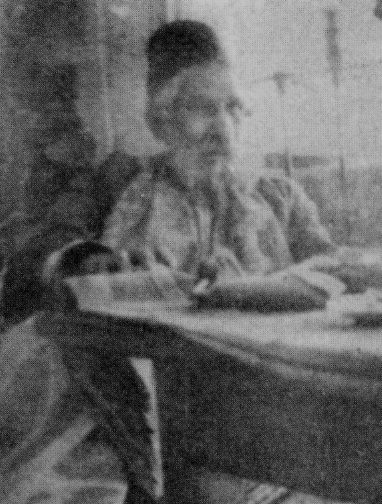 A story ofRav Shlomo Eliezer Alfandariהרב שלמה אליעזר בן יעקב אלפנדרי
“Warm yourself by the fire of the Sages, but beware lest you be burned by their coals; their bite is the bite of a fox, their sting the sting of a scorpion, and all their words are fiery coals” (Avos 2:15). Rav Ovadia Yosef used to illustrate this Mishnah with a story about the chief Rav of Constantinople, the Saba Kadisha, Rav Shlomo Alfandari.
After the Spanish Expulsion, Turkey was among the countries that welcomed the Jews, hoping their commerce would enrich the treasury. Among the privileges granted to them was an exemption from army service, so that Jewish young men would not be forced to desecrate Shabbos or be exposed to non-kosher food and foreign influences.
As time went on, a new sultan, Abdul Hamid, set out to conscript the Jews into the Ottoman army. Jews who were close to the ruler and his officials wanted to win favor and urged the community to comply, and the body that governed the community's spiritual affairs also favored enlistment. The only obstacle was the firman, a royal decree that the previous sultan had granted to the Chacham Bashi, Rav Moshe HaLevi, exempting the Jews. As long as he held it, Rav Moshe could block conscription, and the pressure on him was enormous. Chief among those pressing him to hand back the firman was one of the wealthiest Jews of Constantinople, a man very close to the sultan.
One of the few voices that stood firmly against enlistment was the chief Rav, Rav Shlomo Eliezer Alfandari. He argued that army service would mean mass chillul Shabbos, forbidden food and foreign influences. The sultan was enraged when he heard this and summoned the Rav, but when Rav Alfandari stood before him, the sultan was struck silent by his holy appearance and did not dare to harm him. The wealthy merchant, however, would not give up and looked for every way to bring about enlistment. At last the Rav told him that unless he changed his ways, his end would be bitter. When the man refused, the Rav turned away sadly and declared that Hashem would not forgive him for what he was doing.
That very day the merchant set out to see the sultan, but he never arrived. As he stepped over his own threshold he suffered heart failure and died on his doorstep.
It was the custom that Rav Alfandari gave the first hesped (eulogy) at every levaya, but this time he forbade anyone to eulogize the niftar. The man's son and other dignitaries and officials begged for a hesped, for the sake of the sultan's honor and the man's high position, and the Rav refused. “You speak of his honor and the sultan's, but I am an Eved Hashem. I stand for the honor of Hashem, Master and King of the World. It is His honor I seek, and I will not change my mind or bend my will to you.” Even a purse full of money did not move him, and the man was buried without a hesped, in disgrace.
Afterward the sultan awarded Rav Alfandari the title of Chacham Bashi, when he was appointed chief Rav of Damascus. There he ruled as Rav and dayan with the backing of both the Torah and the sultan's authority. He was able to run the Jewish community as he saw fit and to punish transgressors who opposed him.