
The Eulogy He Would Not Give
When a powerful Jew pushed to give in to the sultan's draft, the Saba Kadisha warned him, and then refused him a hesped.
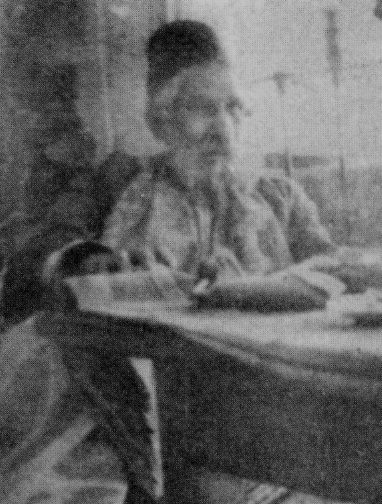 A story ofRav Shlomo Eliezer Alfandariהרב שלמה אליעזר בן יעקב אלפנדריProfile ›
It is told that when Sultan Abdul Hamid moved to draft the Jews of Constantinople, the community was divided. Ever since their ancestors found refuge in Ottoman lands after the Expulsion from Spain, the Jews had been exempt from the army, which spared young men from chillul Shabbos and forbidden food. Now many leaders, eager for the sultan's favor, pressed the Chacham Bashi to hand back the royal decree that guaranteed the exemption. Foremost among them was one of the city's wealthiest Jews, a man close to the palace.
Rav Shlomo Eliezer Alfandari stood almost alone against them. Enlistment, he insisted, would bring desecration of Shabbos and non-kosher food to thousands of Jewish homes. He warned the rich man more than once, and at last told him that if he did not turn back, his end would be bitter. The man would not listen.
That same day he set out to see the sultan. He never got there. Just as he crossed the doorway of his own home, his heart gave out, and he fell dead.
It was the Rav's custom to speak first at every levaya, and no one dared to begin before him. This time he refused to speak at all, and he forbade anyone else to do so. The dead man's son and officials of the court begged him to relent, pleading the honor of the family and of the sultan, and a purse of money was placed before him. The Rav replied that they spoke of the honor of a man and of a ruler, but that he served Hashem and stood only for the honor of the King of the world. He would not bend, and the burial went ahead without a hesped.
Source: Anaf Etz Avos, pp. 136–137 (a story Rav Ovadia Yosef used to tell)
Most of us feel the pull of pleasing the people with influence over us, and it can quietly steer what we say and what we let pass. Today, pick one moment, at work, in your family or in your community, where you can ask a different question first: what would honor Hashem here? Then say or do the right thing, calmly and without a speech. You do not need to be dramatic, but you do need to be steady, even when your answer costs you approval.