
The Case That Was Not Real
When doubters tested a newly appointed Rav of Prague with invented questions, he explained why he knew his one mistaken answer had not come from a real case.
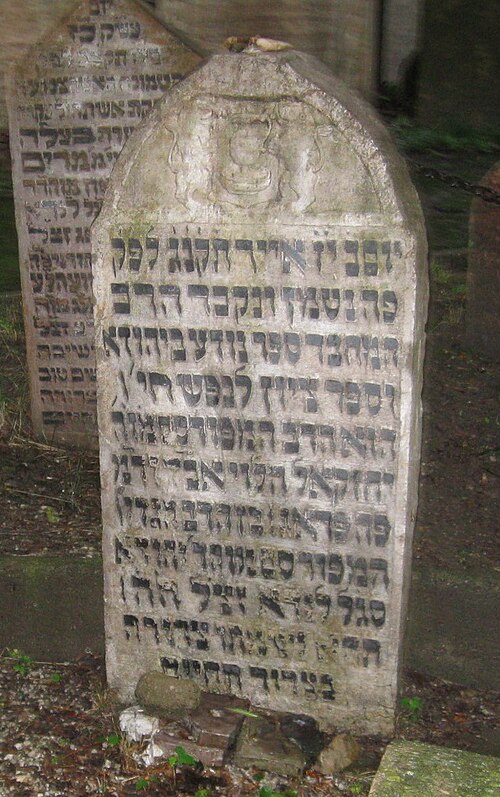 A story ofRav Yechezkel HaLevi Landau of Pragueהרב יחזקאל בן יהודה לאנדאProfile ›
Chassidim relate that when Rav Yechezkel Landau was newly installed as Rav of Prague, some scholars in the city doubted that he deserved the position. They decided to test him. Together they invented a set of halachic cases, each one tangled and misleading by design, and presented them to him as real questions from real people.
The Rav worked through every case and ruled correctly on all but one. His challengers seized on that answer. It contradicted an established principle of halachah, they said, and they asked how a Rav could err in this way.
Rav Yechezkel was not shaken. He told them that he was certain this case had never truly happened. It had been invented to embarrass him.
Then he explained. To rule on Torah law is a remarkable task, for a limited human mind is asked to decide what the Infinite wills. Yet the Torah declares that it is "not in heaven," that it was given into human hands. When a person sets aside his own interests and gives his whole mind to serving the Torah, Hashem guides his ruling so that it matches the Divine will. But that help is given for real questions, where a real person waits to know what to do. It is not given where personal honor is at stake. Had the question been genuine, he said, he would not have erred, for he had no purpose but to serve. A puzzle built to mislead left him as fallible as anyone.
Source: Once Upon a Chassid, translated and adapted by Yanki Tauber (Kehot, 1994), as told by the Lubavitcher Rebbe.
When you must decide something for another person, whether a family matter, a question at work or advice for a friend, begin by asking whether your own honor is part of the picture. Name what you hope to gain, and then put it aside. Give the question your full attention, as though only the person in front of you matters. This week, notice one moment when fear of looking foolish nudges your judgment, and quietly choose the answer that serves the person who asked.