
Even Face to Face Is Forbidden
The Chofetz Chaim explains that lashon hara is forbidden even when said openly to the person himself, since it adds brazenness and strife.
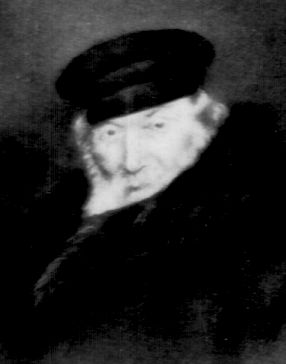 A teaching ofRav Yisroel Meir HaKohen Kagan of Radinהרב ישראל מאיר בן אריה לייב קגןProfile ›
Many people think that the prohibition of lashon hara applies only when we speak behind someone's back. The Chofetz Chaim teaches that the Torah forbids it in every form, even when it is true. A person might be careful to speak only in private and feel that he is avoiding the problem. But the Chofetz Chaim says that even if the speaker would say the same thing to the person's face, or does say it to his face, it is still lashon hara. In one way it is even worse, since the speaker dresses himself in brazenness and chutzpah, stirs up more quarrels, and often ends up embarrassing the other person in public. The prohibition is therefore not about being caught. It is about what the words do to the one who speaks and to the one who is spoken about.
Source: Chafetz Chaim, Part One, The Prohibition Against Lashon Hara, Principle 3:1
Before you say something critical about another person today, ask two questions. Would you say it to him directly, and would it help anyone if you did? If the answer to the second question is no, let it pass, even if the words are true and even if you feel entitled to say them. When criticism truly is needed, speak privately, kindly and with the aim of helping. Notice, at the end of the day, how many sentences you quietly left unsaid.