
Where Should I Go?
Pulled between two great teachers over whether to stay in Liska, Reb Shayele asked the only question he had.
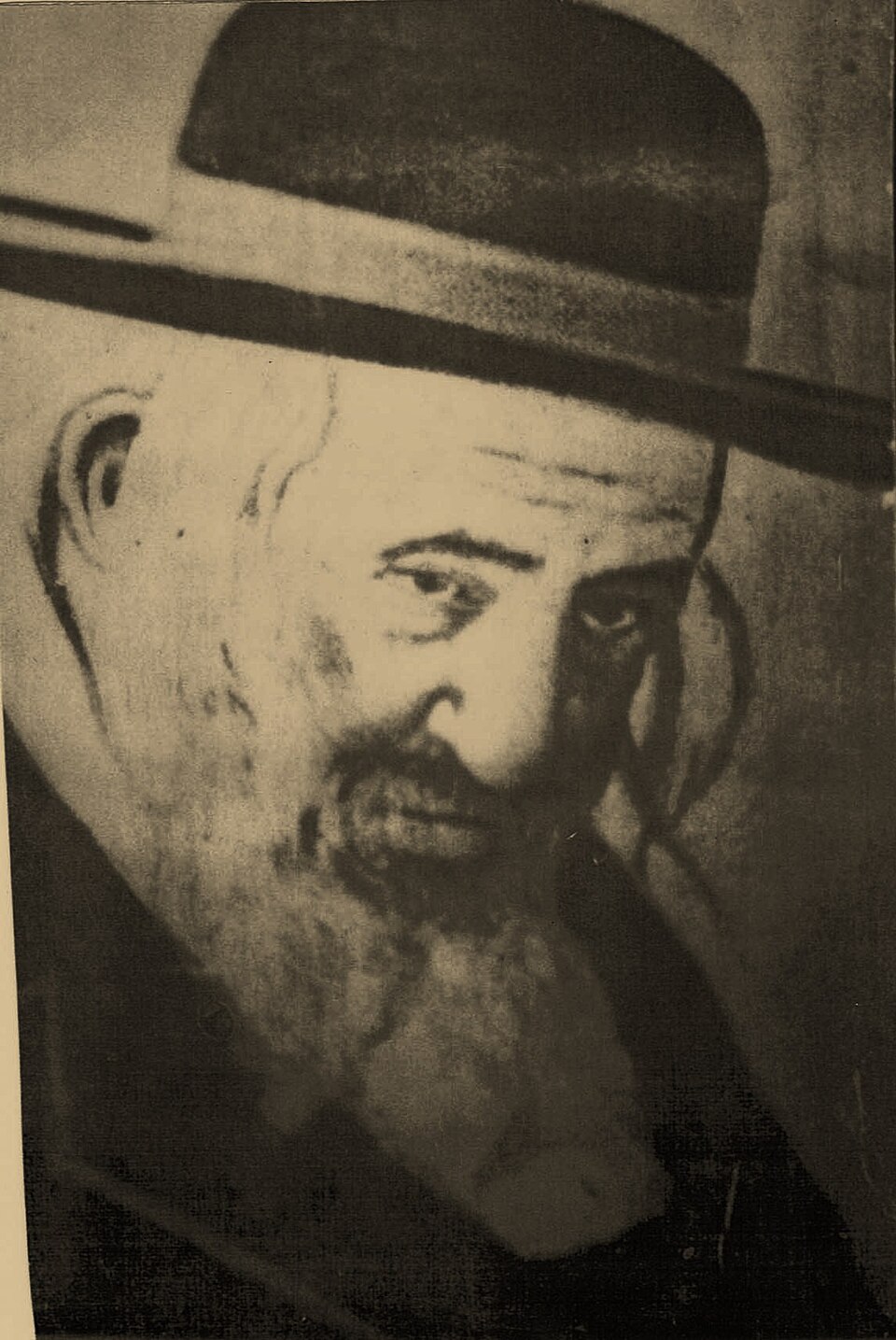 A story ofRav Yeshaya Steiner of Kerestirהרב ישעיה בן משה שטיינרProfile ›
After the Rebbe of Liska passed away, a dispute arose over who would sit in his place, and Reb Shayele, who had served him from the time of his bar mitzvah, stood at the center of it. The Sanzer Rav, whom he revered, wanted him to remain in Liska and take up the Rebbe's seat. The Divrei Chaim even ruled that a Rebbe's position is not an inheritance. When Reb Shayele said that he could not bear the quarrels, the Sanzer Rav insisted that he stay in Liska no matter what it cost.
Reb Shayele could not rest. Some time later he came to the Yetev Lev and told him that he could not withstand the strife. The Yetev Lev answered gently. The Sanzer Rav was a man of battle who could deal with such things, but that was not for him. He should go somewhere else.
"But the holy Rav said that I should stay," said Reb Shayele. Then, with the simplicity of a servant who has never asked for anything, he asked, "Where should I go?"
The Yetev Lev told him that wherever he went, even to the top of a mountain, people would find him and come. Rav Mordechai of Nadvorna, who was living in Kerestir at the time, also told him to settle there. So the former attendant went to Kerestir, where the crowds did come, as the Yetev Lev had said. All his life he signed himself as Shaya ben Reb Moshe, who once served the tzaddik of Liska.
Source: Ami Magazine, 22 May 2024, "Rebuilding the Shul of Reb Shayale Kerestirer", interview with Rav Mendel Rubin, a descendant of Reb Shayele, by Rav Yitzchok Frankfurter.
There are times when two people we respect pull us in opposite directions, and we feel disloyal whichever way we turn. Reb Shayele did not pretend the tension away. He said plainly what he could carry and what he could not, and then asked where he should go. This week, name one decision that you have been avoiding because of competing advice. Write down what each adviser wanted for you, and what you honestly can bear. Then take it to the person whose judgment you trust most and ask the plain question.